
Personalized Orthodontic Care in Aurora, Bennett & Strasburg
Braces & Clear Aligners for Kids, Teens & Adults
Personalized Orthodontic Care in Aurora, Bennett & Strasburg
Braces & Clear Aligners for Kids, Teens & Adults
WELCOME TO KOHRS ORTHODONTICS
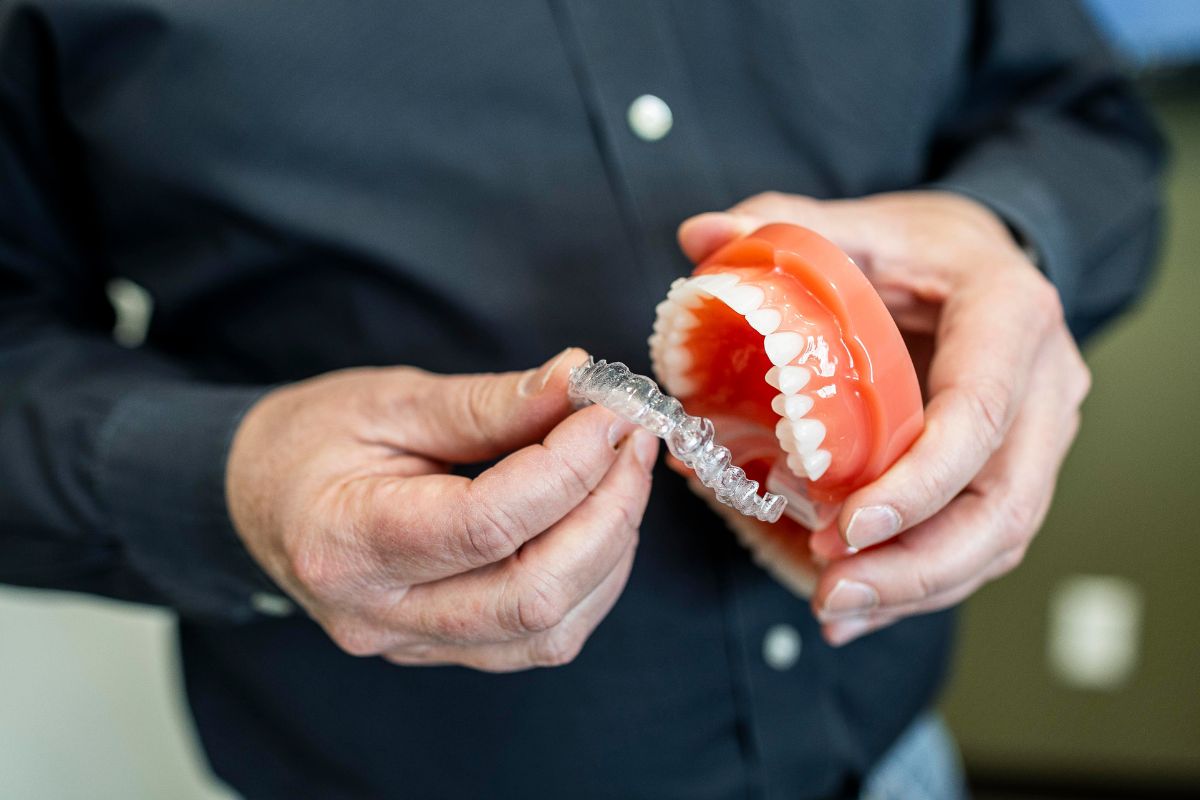
At Kohrs Orthodontics, we proudly serve Aurora and Bennett, Colorado, and the surrounding communities with exceptional, personalized orthodontic care. Our experienced team is dedicated to creating confident, healthy smiles through customized treatment plans designed for patients of all ages. Utilizing modern, state-of-the-art technology, we offer a full range of orthodontic solutions including braces, clear braces, clear aligners and more to fit your unique needs and lifestyle. Our goal is not only to craft beautiful, lasting smiles, but also to ensure a healthy, properly functioning bite for years to come.
Schedule your 100% complimentary consultation today and take the first step toward your best smile!
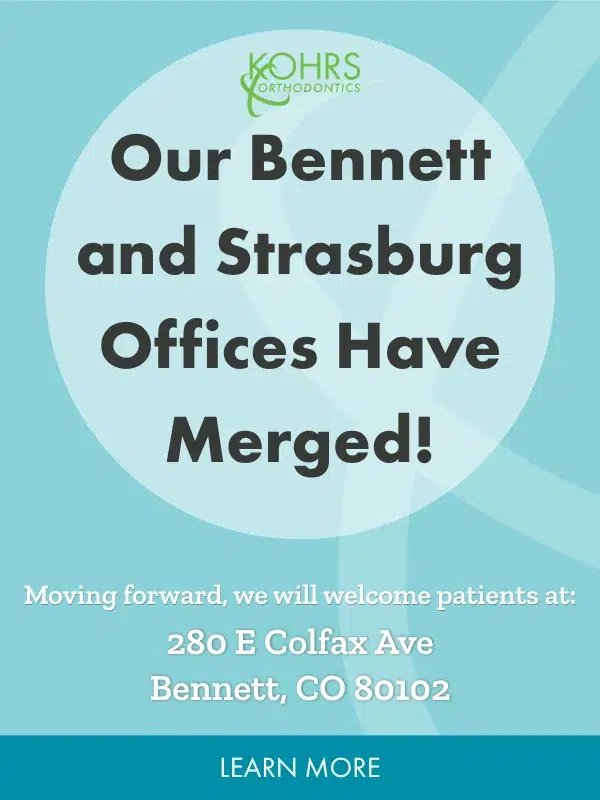
Our Bennett and Strasburg Offices Have Merged
Kohrs Orthodontics is excited to share that our Bennett and Strasburg offices have merged into one convenient location. Moving forward, we will welcome patients at 280 E Colfax Ave, Bennett, CO 80102. Our team looks forward to continuing to provide the same trusted orthodontic care, personalized service, and friendly experience for families throughout Bennett, Strasburg, and the surrounding communities.
Recognized Among Colorado’s Top Dentists
Kohrs Orthodontics is proud to share that Dr. Kohrs has been named one of Denver’s Top Dentists for 2026. This recognition reflects our commitment to personalized orthodontic care, trusted patient relationships and exceptional smile results. From braces to clear aligners, the Kohrs Orthodontics team is honored to help patients and families feel confident in their care and their smiles.

Meet Dr. Keith Kohrs
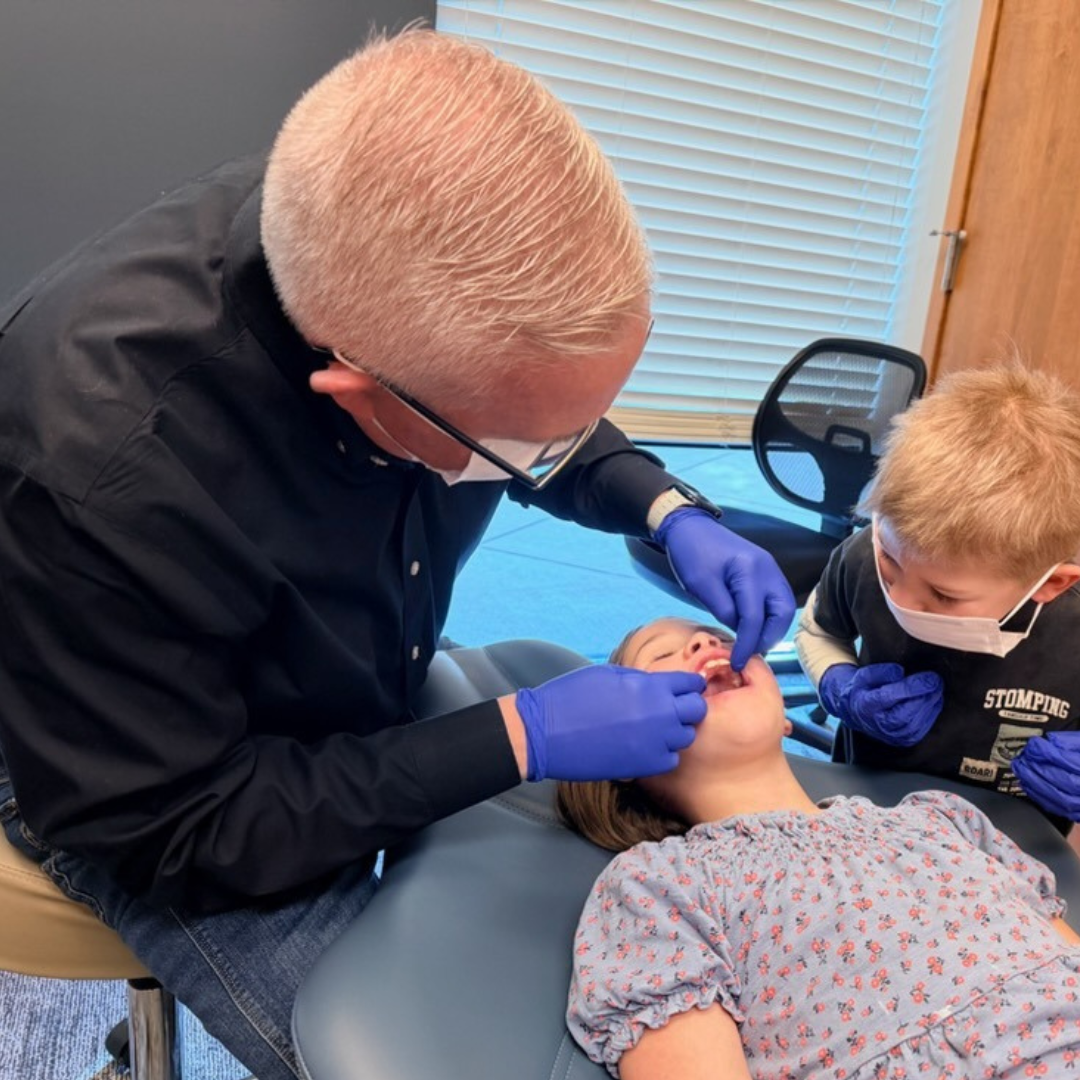
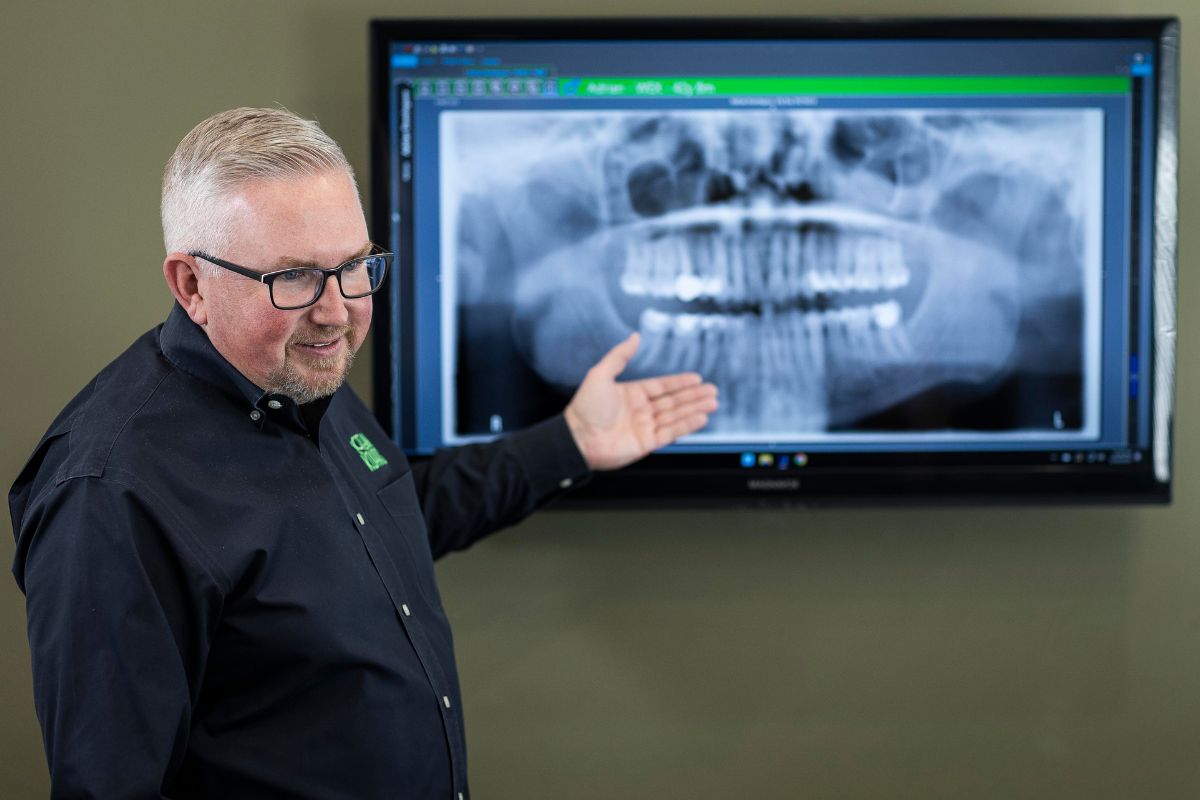
As an orthodontist, I’m passionate about creating healthy, confident smiles. My goal is to combine advanced orthodontic care with a personal, family-friendly approach that helps every patient feel comfortable and fully supported.
Education:
For Fun:




If you are searching for orthodontic services in Aurora, Strasburg, Bennett and the surrounding Colorado areas, Kohrs Orthodontics offers a wide range of personalized treatment options to help patients of all ages achieve beautifully straight, healthy smiles. Using modern technology and treatments such as braces and clear aligners, Dr. Kohrs focuses on improving alignment and function to enhance both appearance and overall oral health. From minor adjustments to full smile transformations, our team proudly provides comprehensive family orthodontic care and partners with you every step of the way to reach your smile goals. Call or text us today at (303) 750-3660 to get started!
Braces
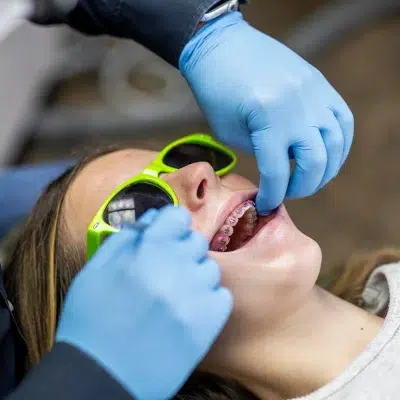
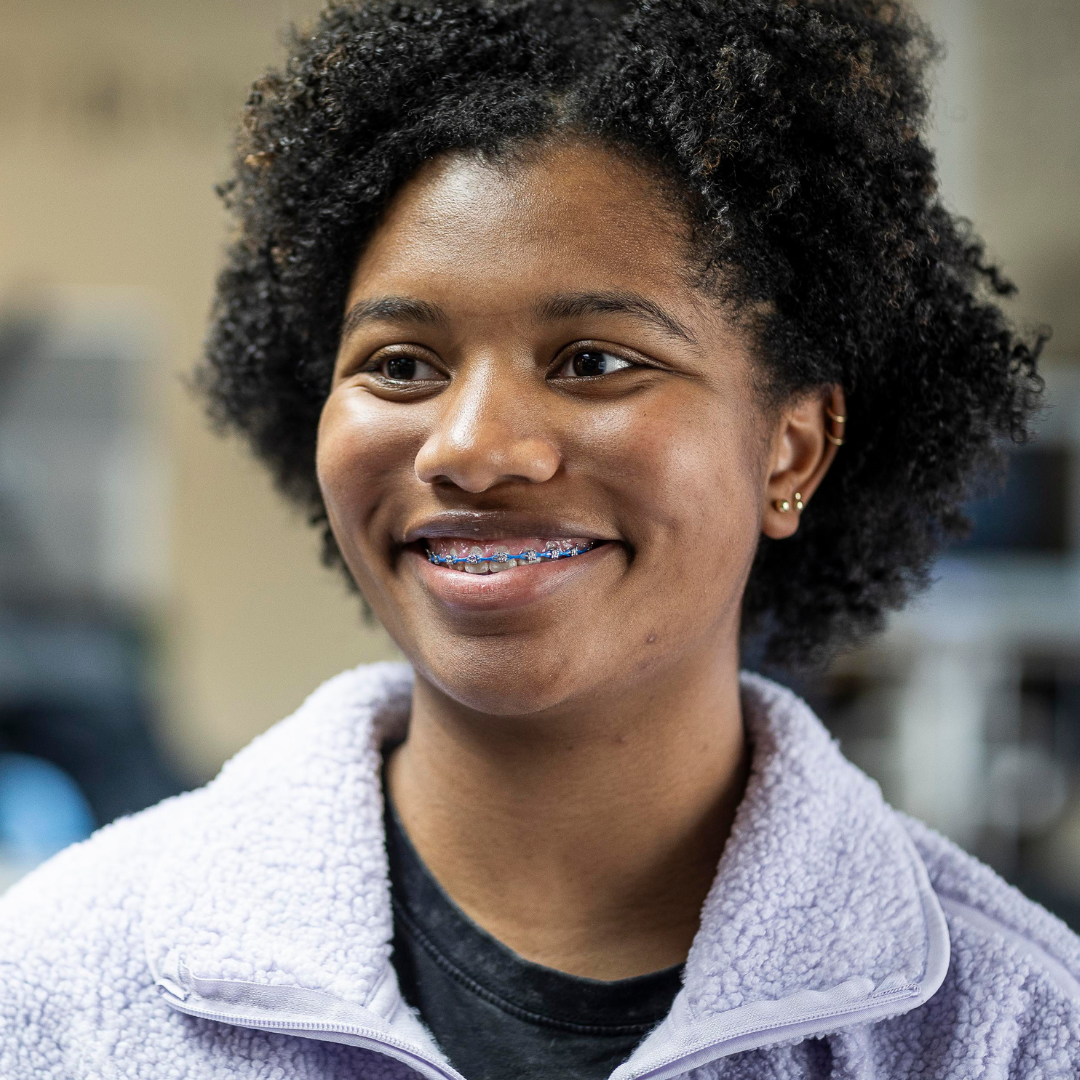
We offer two different options: traditional and clear. Your choice between them depends on your orthodontic needs and your lifestyle.





At Kohrs Orthodontics, we’re proud to have hundreds of five-star reviews from patients across our three Denver Metro locations. We cherish hearing feedback almost as much as we enjoy providing high-quality orthodontic care in a welcoming, community-focused environment. Whether you’re a new or returning patient, explore some of our testimonials below to see why families throughout Denver love Kohrs Orthodontics!